
Sprinkler Systems: Accidental Sprinkler Release
The article below provides 5 key reasons sprinklers fail and some statistics on sprinkler systems and how they save lives.
About the Author
Jackie Silveri is Director of Marketing for Eastern Diversified Services, Inc.
EDS is a premiere property restoration company providing fire, water, storm damage cleanup throughout the region, and has been serving the community for 37 years.
In addition to providing services for fire, water and storm damage, the company provides a wide array of services including mold remediation, flood damage, biohazard, disinfection, and other environmental remediation.
Look on the website for more information:
www.easterndiversified.com
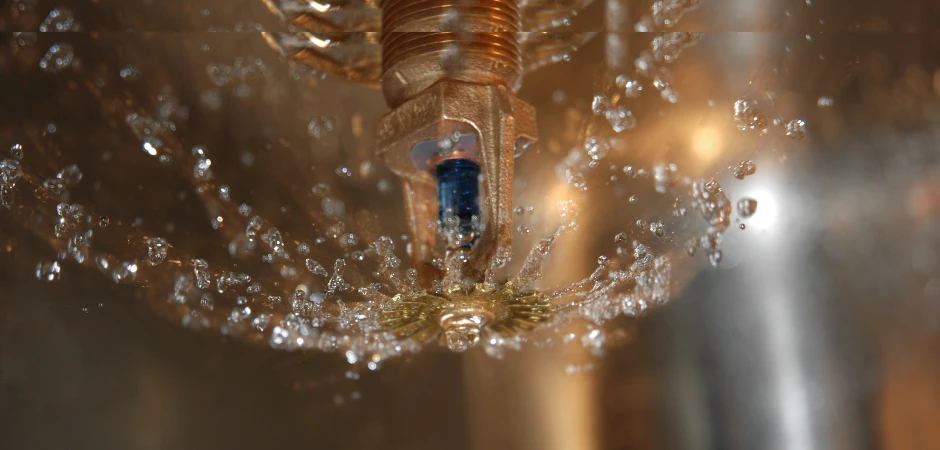
A fire sprinkler system is designed to douse a fire before it has a chance to become widespread. It also reduces the thickness of the smoke which can assist people in safely locating exits. A fire sprinkler system is designed to protect, but sometimes can cause significant water damage with an accidental sprinkler release.
Fire sprinklers are fitted with glass bulbs that are filled with gases/liquids that expand under heat. When a fire starts, the heat rises to the sprinkler head and when the bulbs get hot enough they break. Once the bulb breaks, this automatically releases the valve that connects to the emergency sprinkler system — and the flow of water begins. A single sprinkler head will release on average 60 gallons of water per minute.
Sprinkler malfunctions are not a common occurrence. In fact, just one in 16,000,000 sprinkler heads have a malfunction each year; but when they do malfunction, the results can be catastrophic.
Sprinkler Systems: Accidental Sprinkler Release
Reasons for an accidental release typically fall under one of these 5 causes:
Overheating
Most fire sprinklers will activate once the heat-sensitive part reaches a specific temperature. The sensor, however, cannot distinguish between different types of heat—such as heat from the sun, steam, or fire. Once the maximum sensor temperature is reached, the sprinkler will be activated.

Freezing
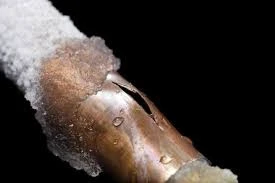
Cold temperatures in under-heated buildings can cause sprinkler heads and pipes to crack or break. While some remedies include using insulation around the system or adding an anti-freeze solution to the pipes, a dry-pipe sprinkler system is another alternative.
Corrosion
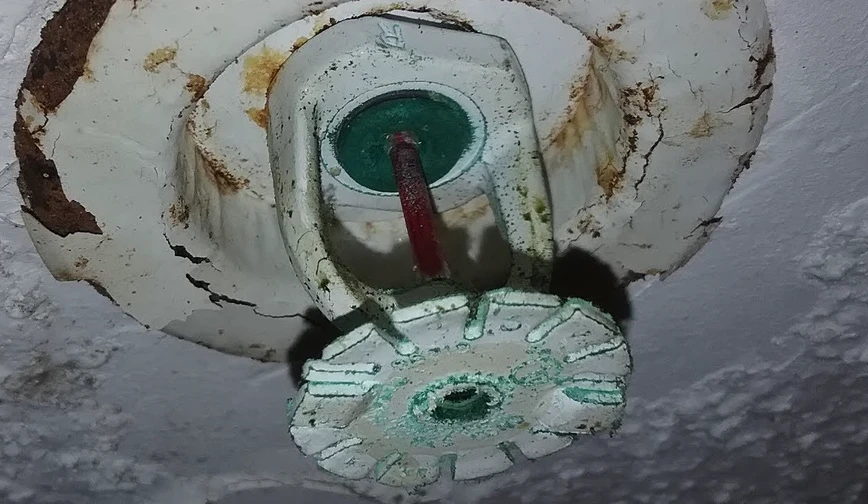
Over time, corrosion can build up and impact the sprinkler system or eat through the pipes. The pipes can rust from the inside out, causing the system to malfunction.
Mechanical Damage
Overtightening of sprinkler heads, or even hanging clothing or other items from the sprinkler head, can cause the element to crack and release water. In some areas, fire codes require protective guards over sprinkler heads to prevent an accidental release.
Sabotage
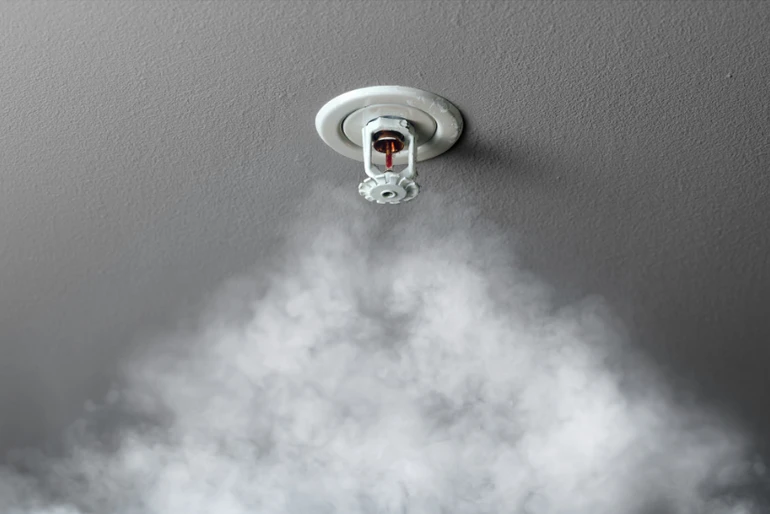
In some commercial facilities, vandalism to sprinkler heads can be a more common occurrence. When sabotage is a more likely concern—such as in a mental health facility or a prison—the use of institutional sprinkler heads may be a better option to deter vandalism.
Vandalism might also include an intentional activation of the system in order to collect insurance money or from a fire that was intentionally started.
Sprinkler Statistics
- In 16,000,000 sprinklers, one will leak or accidentally discharge due to mechanical malfunctions.
- Sprinklers are activated once the temperature reaches 165 degrees.
- Almost 67% of fire incidents where the sprinklers failed to operate are because the system had been shut off.
- Wet pipe systems are the most common and account for 87% of installed systems.
- Dry pipe systems are used only 10% of the time and are typically installed in storage facilities.
- Fire spread was contained to the room of origin in 95% of reported structure fires where sprinkler systems were used.
Sprinkler Systems: Accidental Sprinkler Release
Along with smoke detectors and having a practiced fire emergency exit plan, sprinklers help to save lives. A properly installed and maintained fire sprinkler system is almost 100% effective in saving lives.
While an accidental sprinkler release is not a common occurrence, from time to time these situations do occur. Knowing where your building’s water shut-off valve is located is crucial in reducing the amount of water damage you will incur.
If your organization incurs a water loss, you can count on Eastern Diversified Services to be there and get your business (or residence) back to normal as quickly and as efficiently as possible. Our emergency response teams are available 24/7. EDS is here to help you whenever you need us.