Emergency Preparedness: Are You Ready?
PREPARING FOR AN EMERGENCY – WHAT YOU NEED TO KNOW!
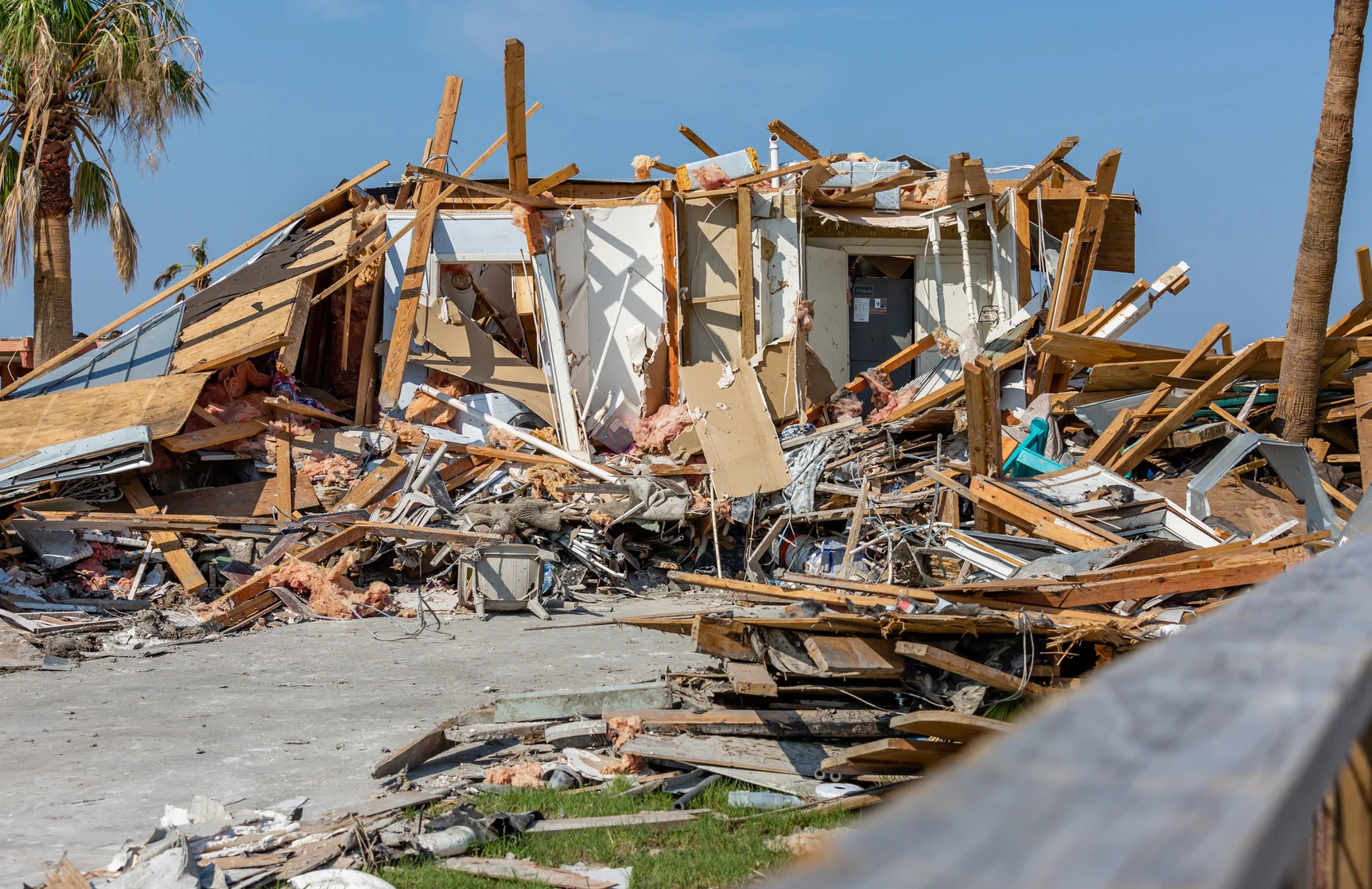
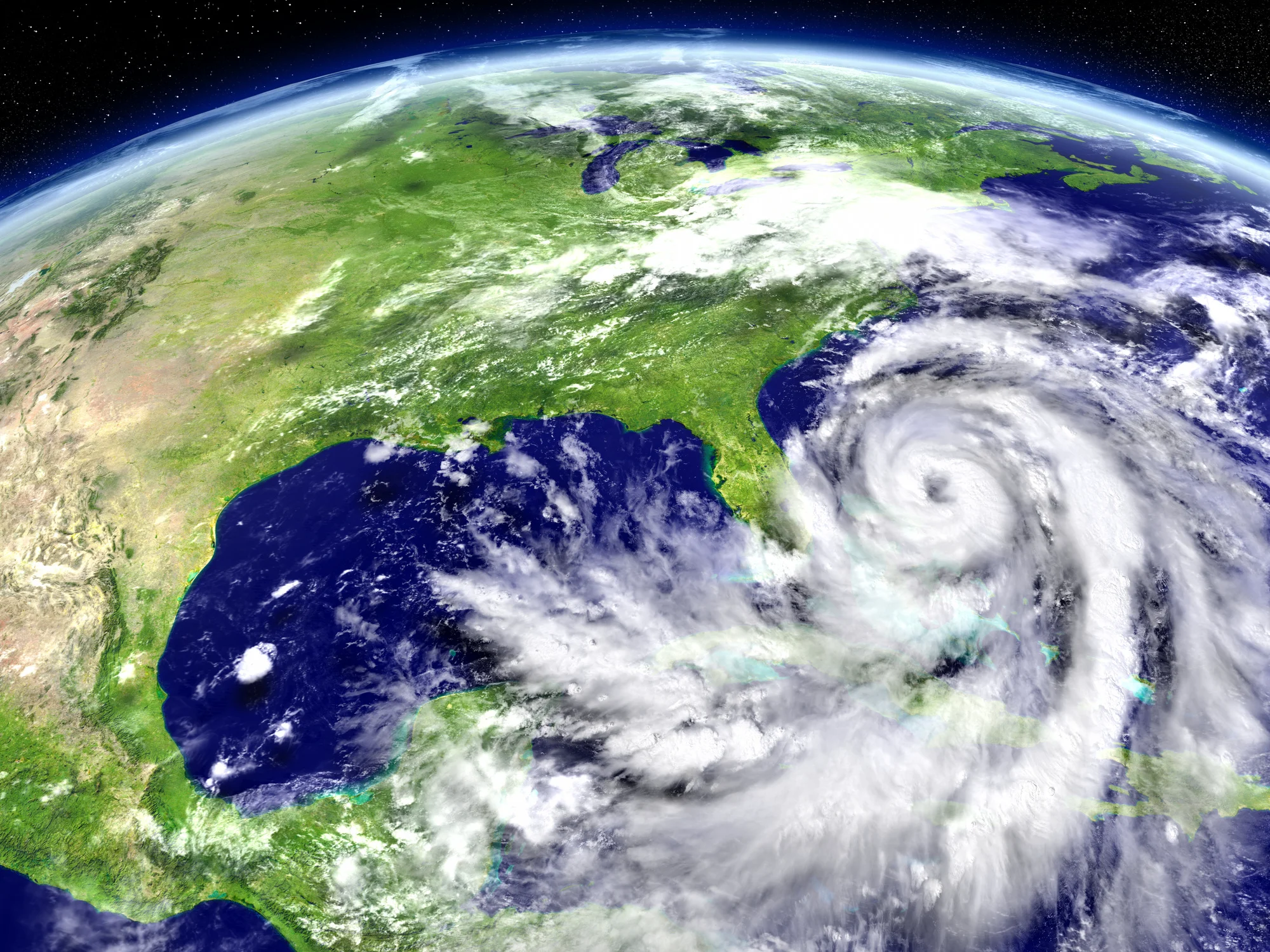
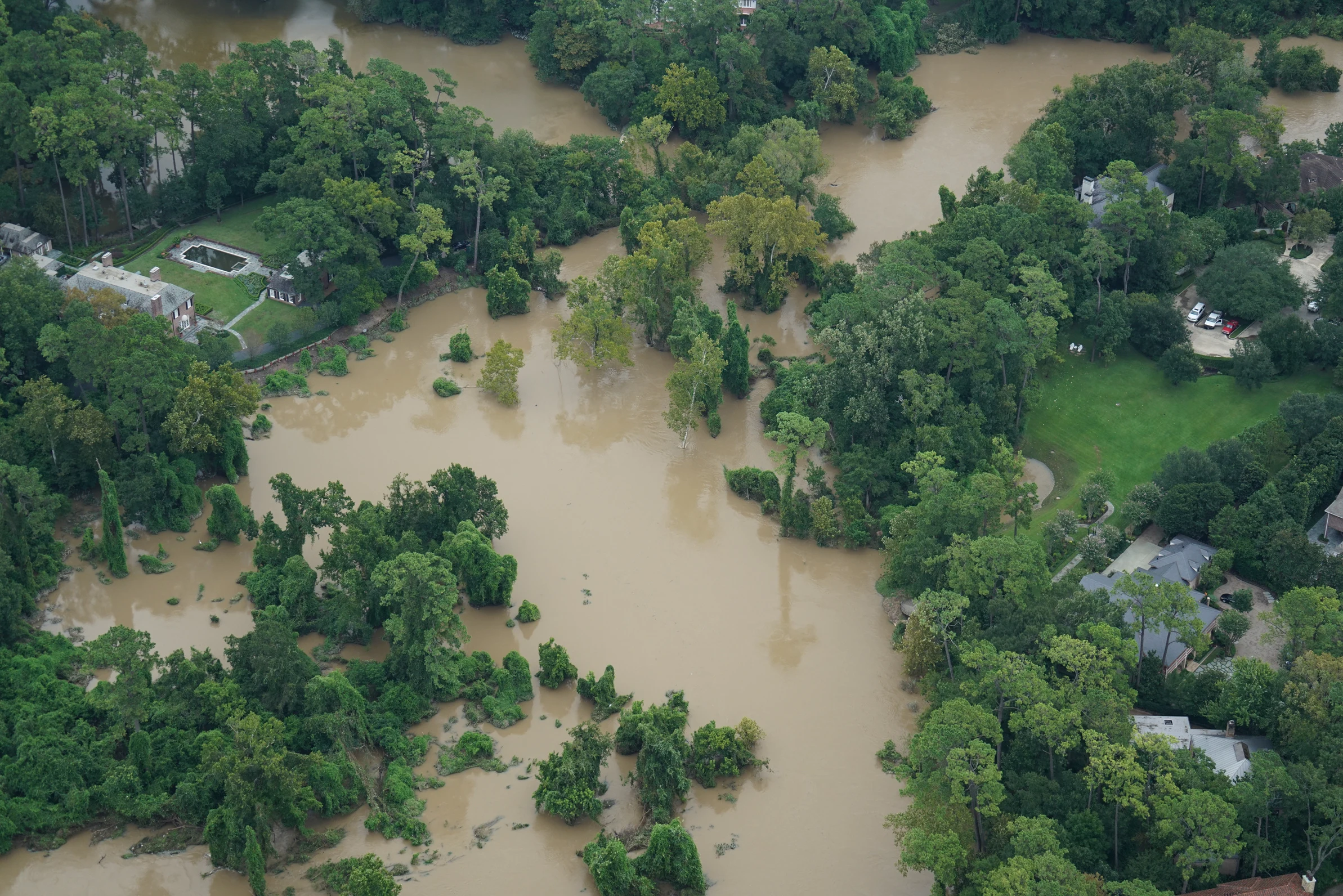
As the beautiful summer days stretch through August and September, it is crucial for households to prioritize emergency preparedness for their family. On average, there are six major hurricanes each year, according to the National Oceanic and Atmospheric Administration (NOAA). These powerful storms can bring devastating winds, heavy rainfall, and significant flooding, making it imperative for families to have a well-thought-out plan in place.
Emergency preparedness is a very important process that everyone should be doing to insure they have fully planned for a catastrophic disaster. While many disasters do not offer notice such as hurricanes, floods, or tornadoes, Mother Nature does not discriminate and can include shootings or other catastrophic events.
STATISTICS: DID YOU KNOW?
- Strongest hurricanes in the Atlantic were Wilma and Allen.
- Largest hurricane by diameter was recorded in history was Hurricane Sandy in 2012 (700 miles wide).
- Longest hurricane was John in 1994 (31 days).
- Most costly hurricane season was 2005 with an estimated $160 billion dollars in damages.
- Highest single year in hurricane activity was 2020.
- Hurricane season begins June 1st and ends November 30th.
- The word hurricane comes from the Taíno word hurakán, meaning god of wind.
- 40% of Americans are uninsured for floods.
STATES WITH MOST HURRICANES
- Florida
- Texas
- Louisiana
- North Carolina
- South Carolina
- Alabama
- Georgia
- Mississippi
- New York
- Virginia
With hurricane season well underway, it is imperative for families to have some plans in place before a storm arrives. With that said, planning for the potential of losing power for extended periods of time, or even having to immediately evacuate your home makes planning crucial.
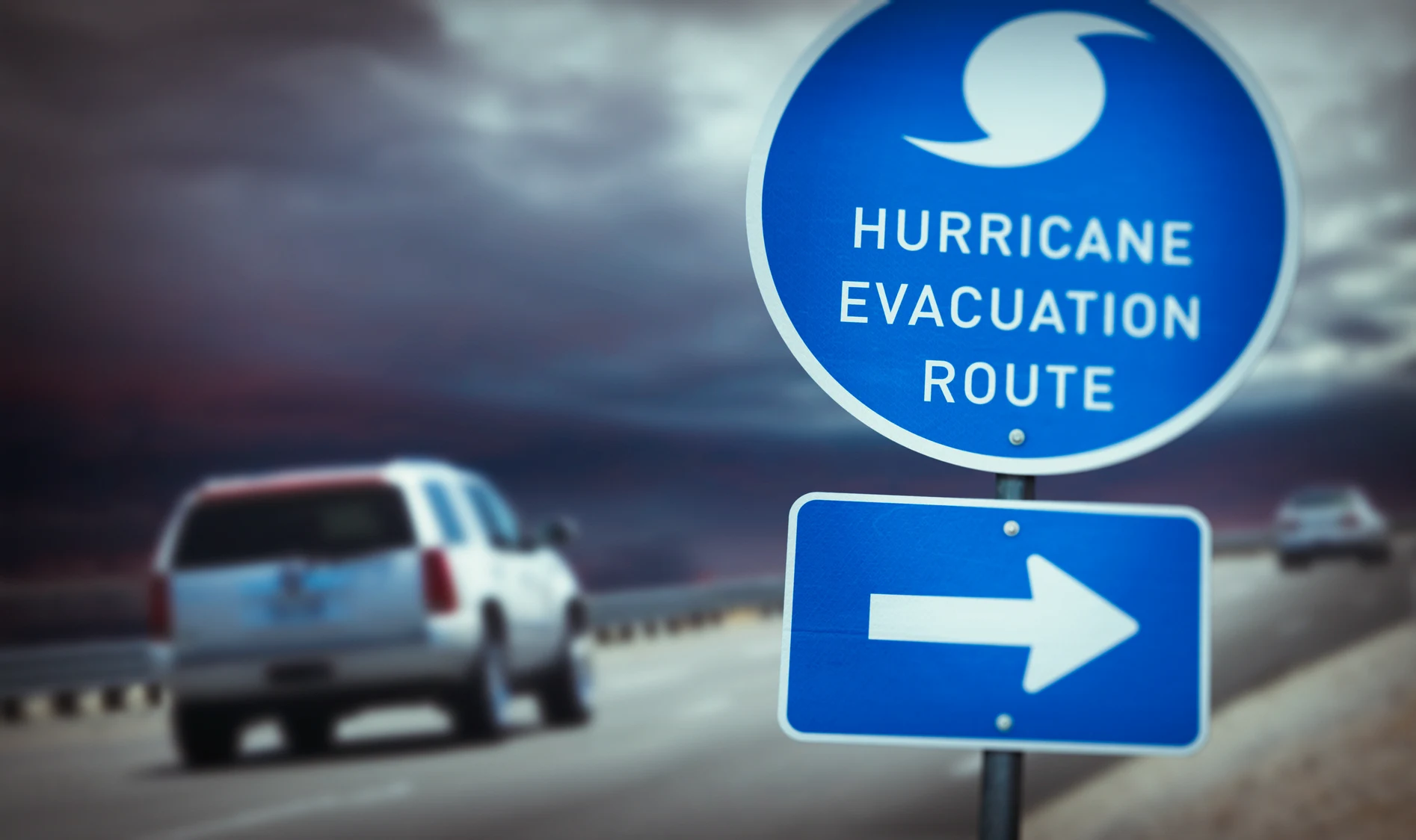
FEMA urges everyone to learn more about hurricanes and other weather hazards and prepare ahead of time, so that if state and local authorities announce evacuations, you and your family will have a plan of where you will go and will have the supplies you need.
What can you do? Be Aware and Prepare. There are dozens of emergency supply checklists you can view with a simple Google search. Choose one that works best for you and your living situation.
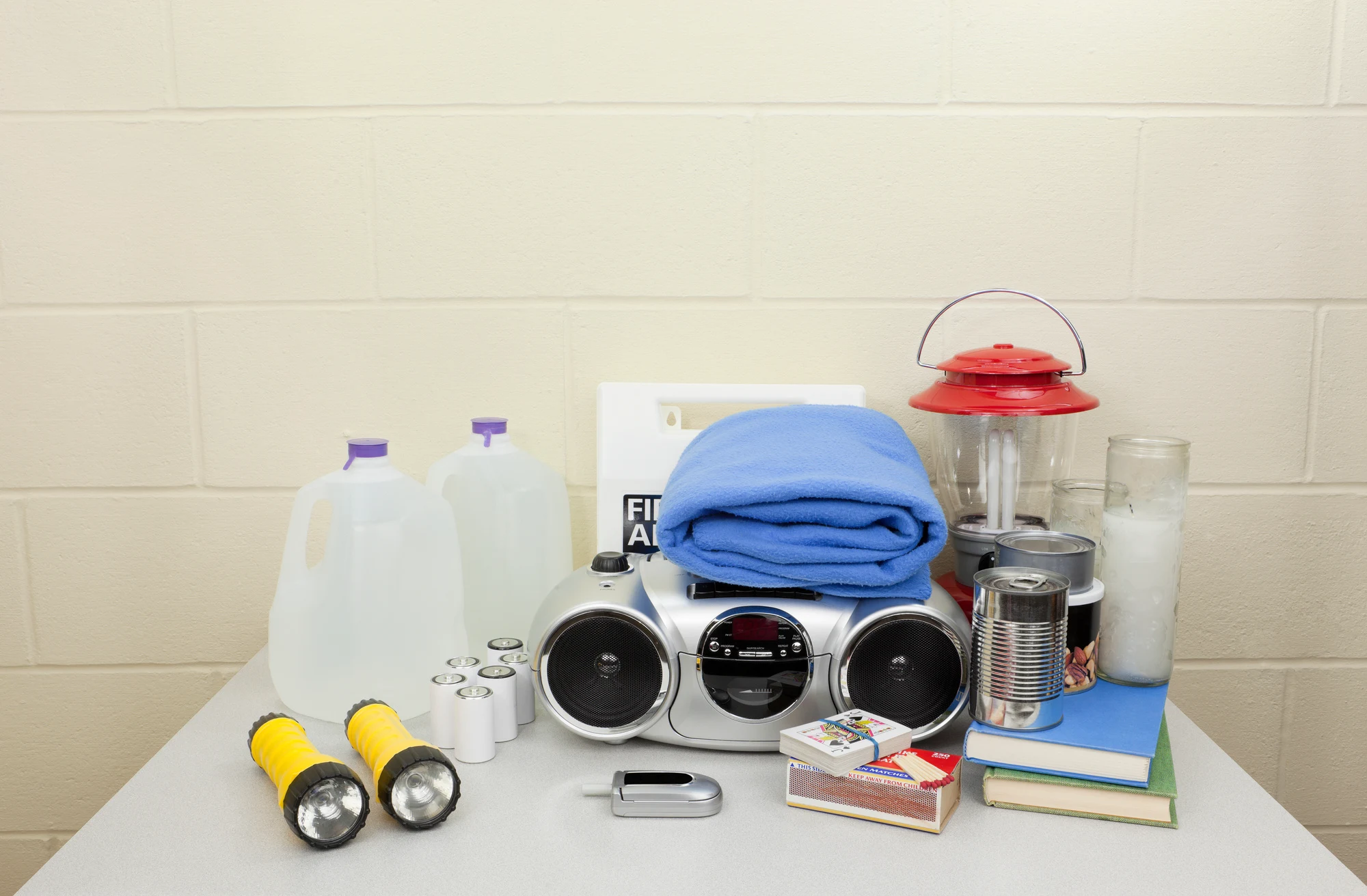
Coordinate all of your supplies in one location—in a central part of your home that you can easily access if you needed to leave in a hurry. Some people choose a foyer closet or collect everything into a few plastic totes that would fit in your car if you were evacuated.
Food and water will not stay fresh forever, so plan to rotate the supplies in your emergency kit on a regular basis. For example, rotate canned food and water every six months to ensure your emergency kits do not contain expired goods. This also applies to batteries. Be mindful of the shelf life of the items you are storing, and set a reminder on your calendar to check expiration dates and replace supplies as needed.
Communication with your family members is crucial, as following a major storm, cell phone towers may be down or it may be difficult to reach loved ones by phone. Everyone in your home should know where the emergency supplies are located and how quickly they can be transported to a vehicle or moved to higher ground in the event of severe flooding.
One other important item to consider is the people you live with – do you have a baby who may have special feeding needs, such as formula? What about an older adult or a disabled individual? Do you have medication needs to consider? These are all questions to ask and contemplate to determine what options will work best for you and your family during an emergency situation.
A friend of mine was recently in the path of a hurricane. She said that prior to the hurricane, she felt she had prepared well, having purchased canned goods and water and having some money ready for emergency cash. She felt prepared, but when the storm hit, she realized she was not. In the end, all was fine, but her lessons learned included that she should have had more cash on hand and that she did not collect all of her important documents, such as birth certificates, car titles, and so on.\
The best time to plan for an emergency is long before it actually happens! Have your supplies ready and listen closely to weather updates. Those cell phone warnings we all get—take them seriously!
Whether you live in an area known for extreme storms or not, being prepared for any emergency situation that could affect your home or your family is crucial. Be ready so you will not be scrambling to secure food, water, and other necessary supplies at the last minute.
By understanding the risks and taking proactive steps, such as securing homes, assembling emergency kits, and developing clear communication strategies, we can protect our loved ones and minimize the impact of these natural disasters.
Are you ready?